Repotting A Prayer Plant

Repotting a prayer plant
Prayer plants won't need to be repotted often, but when they become root-bound, they will grow much more slowly. This will indicate that it is time to change containers. If you decide to repot your prayer plant, you should only do so in the spring or summer months.
What kind of soil does a prayer plant need?
Regular potting soil usually works just fine for prayer plants, but make sure the pot has drainage holes and the potting mix is airy and well-draining. To make your own ideal soil for a prayer plant, combine peat moss, perlite, loam soil, and coarse sand.
Do prayer plants need big pots?
Remember that indoor plants like to be a little cramped. Maranta are totally happy to be in a small pot and look great when they start to spill over the sides. A pot that is too large will contain a lot of excess soil. That extra soil will hold too much moisture causing issues down the line.
How do you repot a praying plant?
When repotting your prayer plant, divide it into several smaller plants by gently shaking the soil off the roots and working them apart. Ensure each new plant has a good mass of roots and several stems. Pot these new smaller plants separately into shallow pots.
What is the lifespan of a prayer plant?
It grows at a slow rate, and under ideal conditions can be expected to live for approximately 5 years. This houseplant performs well in both bright or indirect sunlight and strong artificial light, and can therefore be situated in almost any well-lit room or location. It prefers to grow in average to moist soil.
What kind of pots do prayer plants like?
Pot requirements: Prayer plant has shallow roots, so a pot that is somewhat shallow and wide is more suitable than one that is tall and deep. Plant in a pot with adequate drainage holes that is slightly larger than the root ball.
How do I make my prayer plant bushy?
If you want to make your prayer plant bushy, prune it. Use a sterilized pair of garden scissors and clip the stems right above a leaf node. The prayer plant will respond by sending out new shoots directly below the cut area, making for a bushier appearance!
Do prayer plants like tap water?
Water Quality There may be too much fluoride, salt or chlorine in your tap water–especially if you use a water softener. Water your Prayer Plant with distilled water or leave a pitcher of tap water uncovered overnight so the minerals can evaporate before watering.
Do prayer plants need sun or shade?
They need a consistently warm spot and bright but indirect light – keep them out of direct sunshine. Keep the soil moist from spring to autumn, and provide some humidity by misting the leaves daily or standing on a tray of moist pebbles.
Do prayer plants like hanging pots?
Prayer plant is a good houseplant: it's easy to grow, has fun foliage, and is a hardy indoor plant, ensuring you can be pretty successful with it! Prayer plant is a low, spreading plant that's often grown in hanging baskets, but will also grow horizontally along a tabletop or other surface.
Should a prayer plant be watered at the top or the bottom?
Calathea and Prayer Plant Prayer plants like to be in soil that's neither too wet nor too dry. Bottom watering will help you strike that right balance. Just make sure to water it only when the topsoil feels a little dry to touch.
How often should I water a prayer plant?
Water. Water every 1–2 weeks, allowing the soil to dry out half way down between waterings. Expect to water more often in brighter light and less often in lower light. Marantas can be sensitive to hard tap water.
Should I cut the brown tips off my prayer plant?
Any time you see a leaf turning yellow or brown on your Prayer Plant, or if it accidentally gets torn or broken, go ahead and cut that part off. Unfortunately, a damaged leaf can't regain its health and will eventually die and fall off anyway. A quick removal will keep your plant healthy and looking good.
Do you water prayer plant after repotting?
There shouldn't be too much special care needed after you transplant your Prayer Plant, and it is best to return it to similar or even better conditions (temperature, location, etc.) than it had before you repotted it. Be sure to give the plant plenty of water and humidity after repotting.
How deep should I plant my prayer plant?
I don't want it too deep and I want it about just a little bit below a little bit below the opening.
Are coffee grounds good for prayer plants?
Do prayer plants like coffee grounds? Coffee grounds are commonly used to boost the nitrogen content of potting soil and to add a mulch-like texture. However, adding too much coffee on top of the soil your plants are in can trap moisture inside and invite fungal disease.
Are prayer plants hard to keep alive?
The Red Prayer Plant is an easy plant—place it in a sunny spot, keep it's soil damp, and mist it's leaves once a week and it will flourish.
Do prayer plants like tea?
This plant likes acidic conditions and can stand a soil with a pH of up to 5.5. Many people swear by pouring the dregs of their black tea into the soil. The acidic tannins in the tea help to keep the pH at the right level for the Maranta. As for soil, a well-draining, peaty potting mix will serve this plant just fine.
Do prayer plants get big?
Prayer plants grow 10 to 12 inches tall and can spread 15 to 18 inches wide. In a large mixed planter, prayer plants make ideal “fillers” where their lush leaves blend well with other houseplants. Plus, prayer plants help clear the air in your home by filtering indoor air pollutants.
What window should a prayer plant be in?
In front of a north, or near an east facing window is great. If keeping these plants in rooms with west or south facing windows find a bright protected area away from the direct shine of the sun. Water – Watering is a pretty regular occurrence for a prayer plant owner, especially if you're planting in a terracotta pot.
11 Repotting a prayer plant Images
Prayer Plant Care Modern Design in 2020 Plants Prayer plant care

Prayer Plant Care Propagation and More in 2020 Prayer plant care

Prayer Plant Growing Tips and Tidbits House plant care Prayer plant

Pin on Caring for your plant

Pin on Potted plants

How to Care for and Propagate Your Prayer Plant Easy care houseplants

Prayer Plant With images Plant care Plants Hanging plants

Pin on Plants
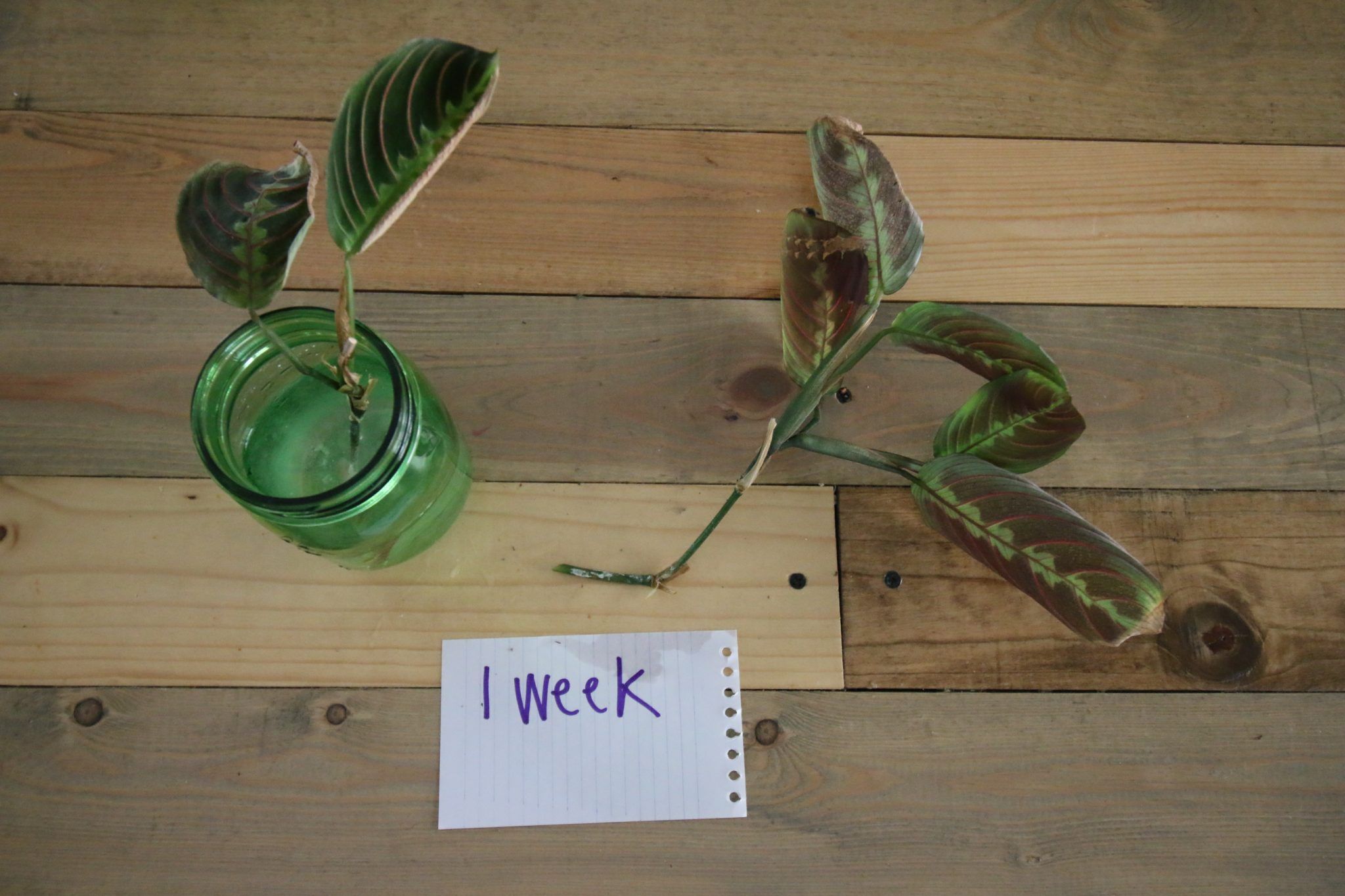
Pin on Charleston Crafted Blog Content

Prayer Plant Growing Tips and Tidbits Prayer plant Plants Growing

Post a Comment for "Repotting A Prayer Plant "